

best sellers


Sale!
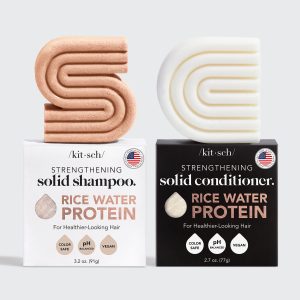
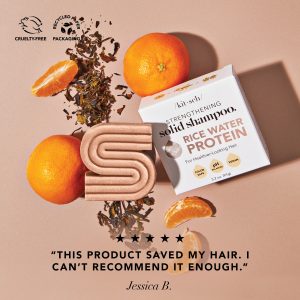
Original price was: $28.00.$14.00Current price is: $14.00.
Sale!
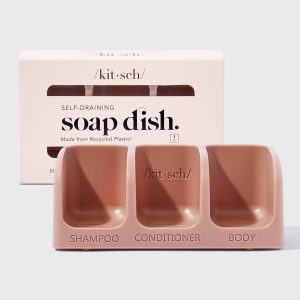
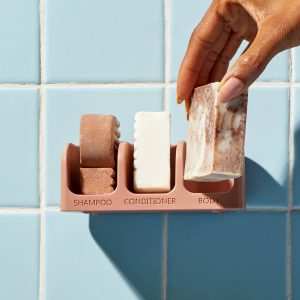
Original price was: $14.00.$7.00Current price is: $7.00.
Sale!
Original price was: $28.00.$14.00Current price is: $14.00.
Sale!
Original price was: $75.00.$20.00Current price is: $20.00.
top collections


what’s new
Sale!
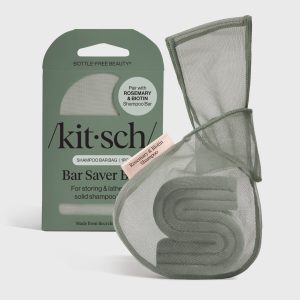
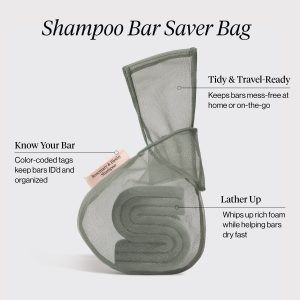
Original price was: $5.00.$2.50Current price is: $2.50.
Sale!
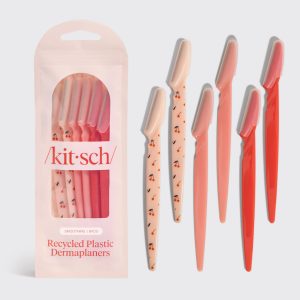
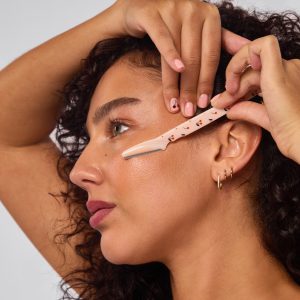
Original price was: $6.00.$3.00Current price is: $3.00.
Sale!

Original price was: $12.00.$6.00Current price is: $6.00.
Sale!
Original price was: $16.00.$8.00Current price is: $8.00.
WE’VE ALWAYS BEEN OBSESSED WITH OUR CUSTOMERS & WE THINK
The Feeling Is Mutual


Our Story
Founded by Wisconsin native Cassandra Thurswell at the age of 25, Kitsch is a global beauty powerhouse built on positivity and pure hard work. The brand supports its growing community with easy, elevated beauty solutions that are totally reliable, truly special, and made as sustainably as possible. Beginning in 2010 with a business plan no longer than a paragraph, Kitsch now supplies a full range of beauty favorites in over 20,000 retail locations worldwide. A prominent entrepreneur featured in Forbes and Inc., Cassandra continues to create elevated, sustainable beauty solutions for every moment of the day.
Classic Recommendation.
Restoring Damaged Hair: Strategies for Strength and Elasticity
Daily life can be incredibly taxing on our hair. From the heat of styling tools to the friction of our pillows, our strands are constantly under pressure. Over time, this leads to structural damage, often characterized by split ends, frizz, and a lack of shine. Restoring damaged hair requires a two-pronged approach: protecting the remaining structure and reinforcing it with targeted nourishment.
The Anatomy of Hair Damage
Hair is primarily composed of a protein called keratin. When the outer layer, known as the cuticle, is lifted or torn, the inner core is exposed. This leads to moisture loss and a breakdown of the protein bonds that give hair its strength. To repair this, one must look for ingredients that can mimic the hair’s natural structure, filling in the gaps and sealing the cuticle back down.
Protein vs. Moisture Balance
One of the most common mistakes in hair recovery is focusing too much on one element. Hair needs both protein for strength and moisture for flexibility. If you only provide protein, the hair can become stiff and snap easily. If you only provide moisture, it can become overly soft and lose its shape. A balanced routine involves alternating between strengthening treatments and deep-hydrating masks to ensure the hair remains both tough and elastic.
Protective Styling and Maintenance
Recovery isn’t just about what you put on your hair; it’s about how you treat it. Minimizing high-temperature styling is crucial. When heat is necessary, a protective barrier should always be applied first. Additionally, incorporating protective measures like using soft fabrics for drying and sleeping can prevent mechanical damage, allowing your restoration efforts to actually take hold.